Architectural Metal Applications In Contemporary Architecture
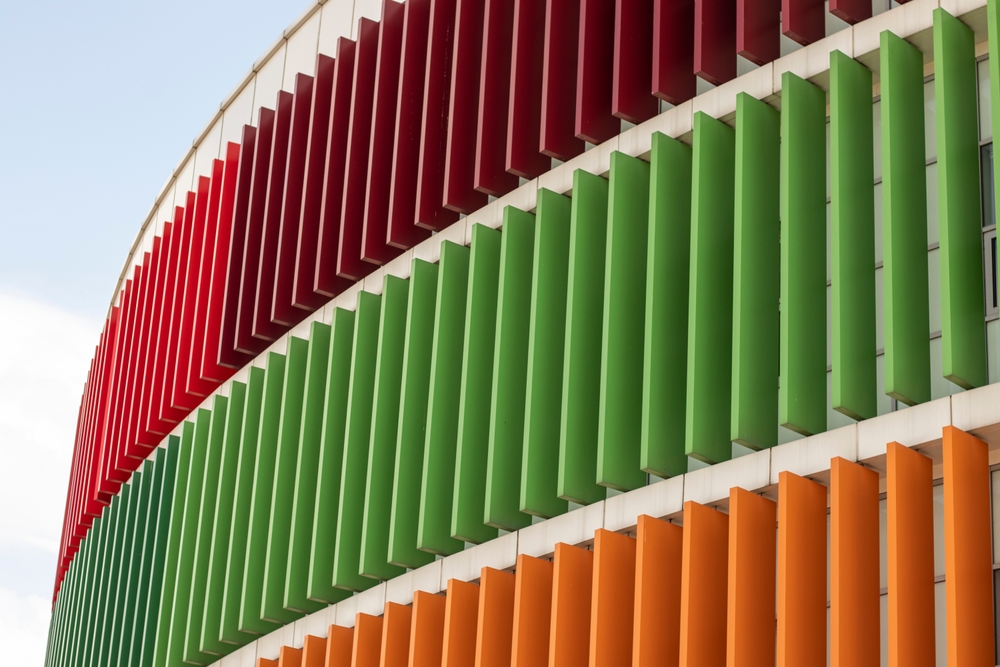
Modern buildings are getting a stunning makeover, and a key player in this change is metal. Moving beyond its old industrial image, metal is now a favorite material for designers. It helps create structures that are strong, beautiful, and sustainable. This shift is redefining city skylines and pushing the limits of design.
A new visual language
Gone are the days of dull, gray facades. Today, architects use architectural metal to make bold statements. They shape it into sweeping curves, sharp angles, and intricate screens. These elements catch the light differently throughout the day, making a building’s appearance dynamic.
Facades come alive with texture and reflection, adding depth and interest to urban spaces. The use of metal allows for this “architectural metal applications” creativity, giving each project a unique character.
Strength meets sustainability
One of the biggest reasons for metal’s popularity is its practical power. Frameworks made from metal allow for large, open spaces without many supporting columns. This means sun-filled interiors and flexible floor plans.
Also, metals like aluminum and steel are often recycled and can be recycled again at the end of a building’s life. Special coatings can also make them highly energy efficient by reflecting heat. This makes metal a smart choice for building a greener future.
Details that define a space
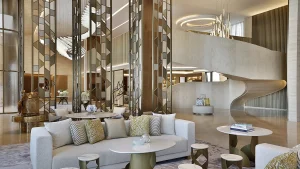
The role of metal goes beyond the big picture. It is also essential in the smaller elements that people experience up close. Staircases become sculptural centerpieces with metal railings. Decorative screens provide shade and privacy while creating beautiful patterns of shadow.
Even functional parts like custom vents or lighting fixtures are crafted from metal to add a final, polished touch. These details show how versatile the material truly is.
Adding functional beauty
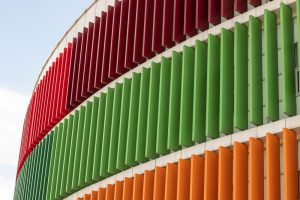
Many essential building parts are made from metal, blending seamlessly into the design. Window frames, sun shades, and roofing systems are common examples. Modern sun shades, often made from angled aluminum blades, control light and heat gain. Metal roofing provides long life and can be formed into various profiles. These elements work hard while contributing to a unified aesthetic.
Architectural metal is far more than a simple building component. It is a fundamental tool for modern design, blending artistic vision with engineering intelligence. As technology advances, the ways we use metal will continue to grow, promising even more innovative and inspiring structures for years to come.